- Tel: 858.663.9055
 Email: info@nsjbio.com
- Tel: 858.663.9055
- Email: info@nsjbio.com
Email: info@nsjbio.com
CD3e Antibody products are essential tools for identifying T lymphocytes and studying T-cell biology across a wide range of experimental systems. CD3 epsilon (CD3E) is a core component of the T-cell receptor complex and is consistently expressed on T cells, making it a highly reliable marker for immune profiling, signaling studies, and tissue-based analysis. CD3e antibody, also referred to as CD3 epsilon antibody or CD3E antibody, is widely used as a pan T-cell marker for detecting T-cell populations in both normal and disease contexts.
Because CD3e is involved in both lineage identity and receptor-mediated signaling, CD3e Antibody reagents are used across multiple applications, including immunohistochemistry, flow cytometry, and western blot analysis. Each application provides a distinct view of T-cell biology, from spatial localization in tissues to quantitative population analysis and protein expression profiling.
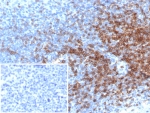
Immunohistochemistry analysis enables visualization of CD3-positive T cells within tissue architecture, making CD3e Antibody for IHC a key tool for evaluating immune cell distribution in lymphoid tissues, tumors, and inflammatory environments. CD3 staining highlights T lymphocytes within interfollicular and paracortical regions and supports analysis of immune infiltration patterns in cancer and other disease settings.
Explore our CD3e Antibody for IHC validated on FFPE tissues and tissue microarrays for reliable detection of T-cell distribution.
Flow cytometry allows precise identification and quantification of T-cell populations in suspension, making CD3e Antibody for Flow Cytometry essential for immunophenotyping and immune profiling studies. CD3 epsilon detection enables clear separation of T-cell populations from other immune subsets and supports analysis of immune composition in blood and cultured cells.
Discover our CD3e Antibody for Flow Cytometry optimized for clear population separation and accurate T-cell identification.
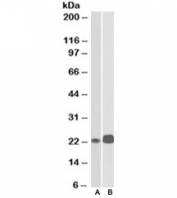
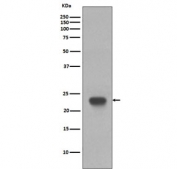
Western blot analysis provides confirmation of CD3 epsilon protein expression and supports evaluation of protein integrity and specificity in T-cell-derived lysates. CD3e Antibody for Western Blot enables detection of CD3E at the expected molecular weight and is commonly used to validate expression in Jurkat and other T-cell models.
View our CD3e Antibody for Western Blot for reliable detection of CD3 epsilon protein expression.
CD3e Antibody reagents support a wide range of immunology and disease research applications, including:
These applications highlight the versatility of CD3 epsilon as both a lineage marker and signaling molecule, making CD3e Antibody a foundational reagent in immunological research and an important part of our CD Antibody collection.
Researchers exploring lymphocyte activation, antigen receptor signaling, and cellular immune response mechanisms may also be interested in our Immunology Antibodies landing page featuring cytokines, immune receptors, and inflammatory signaling related proteins.
Browse the complete collection of research antibodies on our Antibodies landing page.
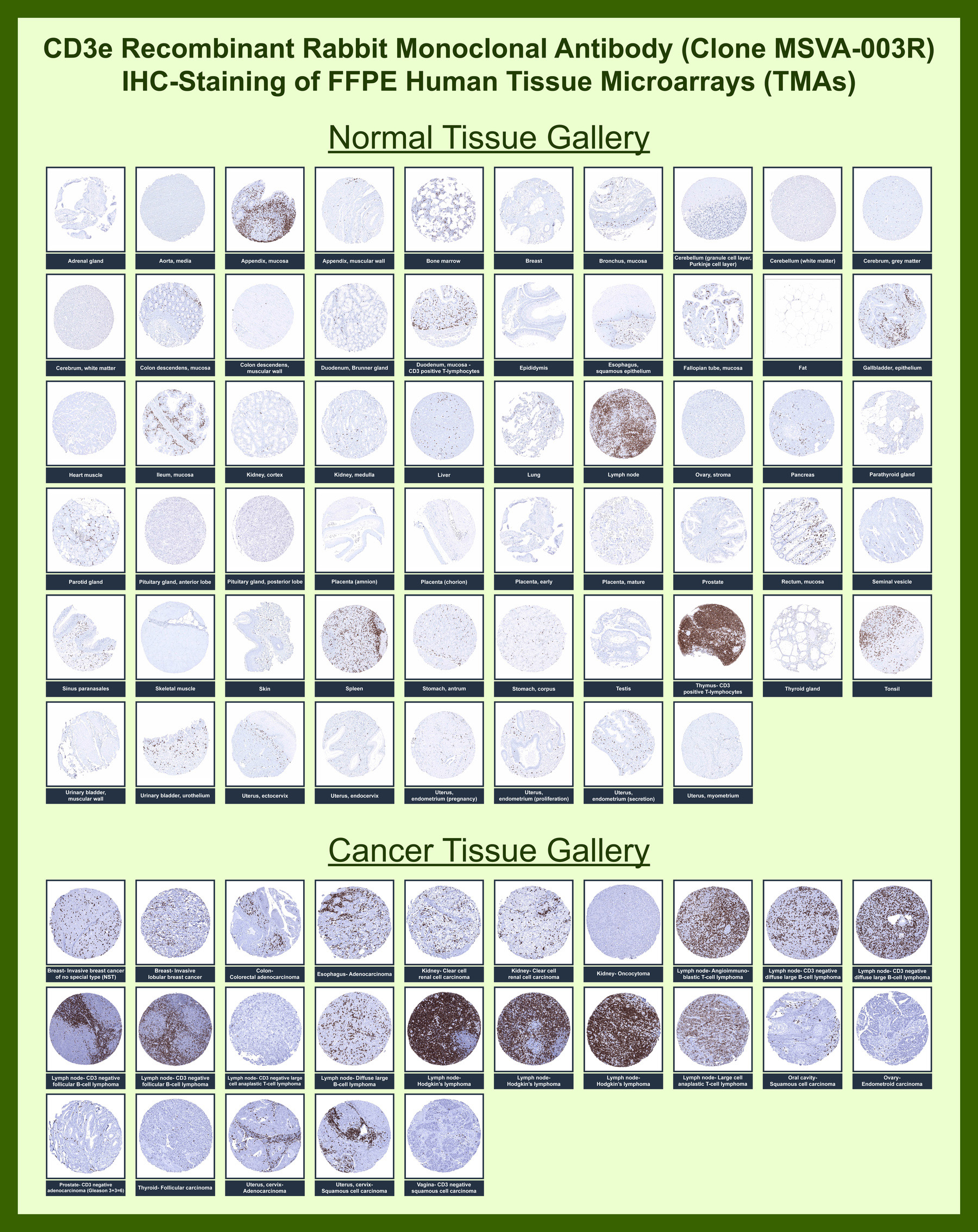
CD3e Antibody Immunohistochemistry. Analysis of CD3 Epsilon / CD3E staining across normal and cancer tissue microarrays using a recombinant rabbit monoclonal antibody (clone MSVA-003R, Cat # V6139). Strong HRP-DAB brown membranous and cytoplasmic staining highlights T lymphocytes in lymphoid-rich tissues such as tonsil, lymph node, and spleen, while most non-lymphoid tissues show minimal background. In cancer samples, variable densities of CD3-positive tumor-infiltrating lymphocytes are observed, illustrating differences in immune infiltration across tumor types. The panel demonstrates the utility of CD3e antibody for evaluating T-cell distribution, immune contexture, and tumor-associated immune responses in FFPE tissue microarrays.
| ||

|


 Powered by Bioz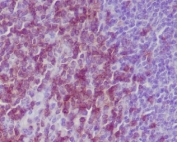





 info@nsjbio.com